

Why the Flu Is More Common in Winter and How to Protect Yourself
Flu is more common in winter due to colder temperatures that lead people to spend more time indoors, where the virus can spread more easily. Dry air can also weaken the immune system, making individuals more susceptible to infections. At Carrboro Family Medicine Center, Dr. Yulia Neyman recommends practicing good hygiene, getting the flu vaccine, and avoiding close contact with sick individuals to reduce the risk of flu transmission. Staying healthy through proper nutrition and exercise also plays a crucial role in boosting immunity during flu season. For more information, please contact us or book an appointment online. We are conveniently located at 610 Jones Ferry Rd Suite 102, Carrboro, NC 27510.
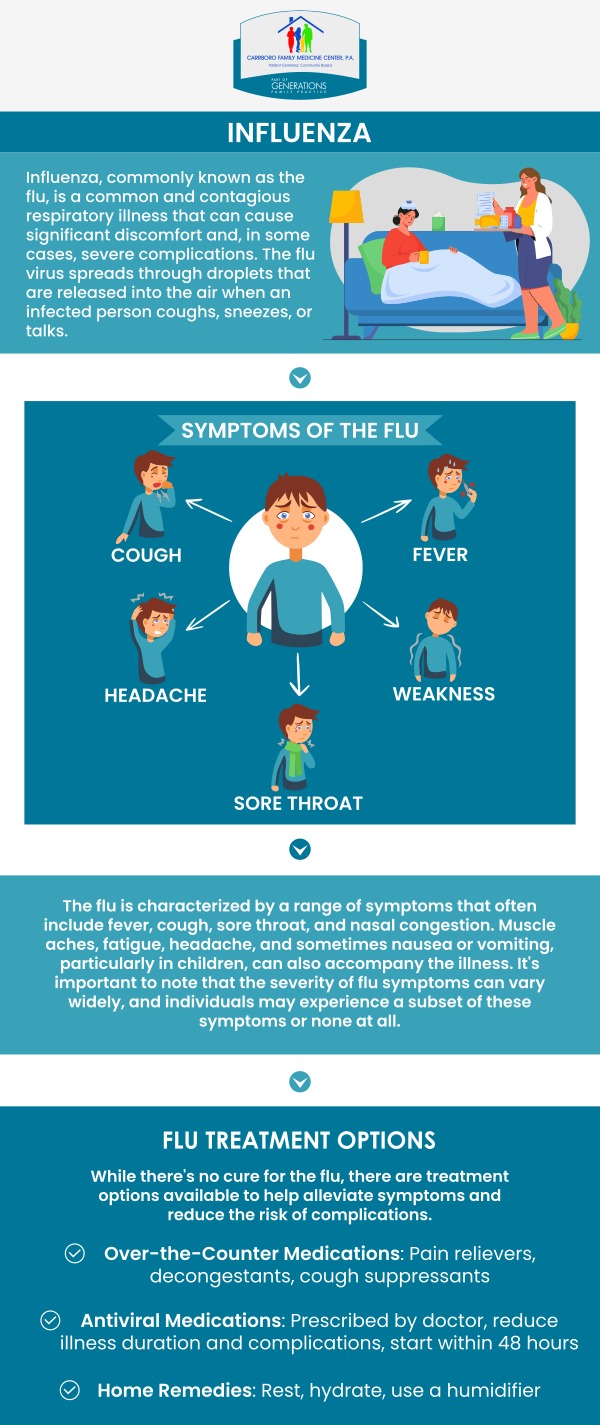
Table of Contents:
Why is the flu more common in winter?
How can cold weather contribute to the flu?
How does the flu virus survive better in cold temperatures?
How effective is the flu vaccine in the winter months?
Understanding Winter Flu and Protection Tips with Dr. Yulia Neyman at Carrboro Family Medicine
The flu, or influenza, is more common in the winter months for several reasons related to both the virus itself and our daily habits.
One important reason is that the influenza virus survives and spreads more efficiently in cold, dry air—conditions often seen during winter. Low humidity helps the virus particles remain airborne longer, making it easier for them to be inhaled and cause infection.
During the colder months, people in Carrboro and surrounding areas tend to spend more time indoors, sometimes in close quarters with others. This close contact can increase the risk of spreading the flu through respiratory droplets from coughing, sneezing, or even talking.
Additionally, less sunlight during winter can lead to lower vitamin D levels, which may affect your immune system’s ability to fight off infections like the flu. With schools in full session, children—who are efficient transmitters of the flu virus—can bring the virus home and into the broader community.
We encourage all our patients to take preventive steps each winter, such as getting the annual flu vaccine, practicing good hand hygiene, and staying home when feeling sick.
During colder months, people tend to spend more time indoors and in closer contact with others. This makes it easier for the flu virus to spread from person to person. Additionally, our homes and workplaces are often heated during the winter, which leads to drier indoor air. This dry environment can allow the flu virus to survive longer and be transmitted more effectively.
Cold, dry air can also compromise your body’s natural defenses. The mucous membranes in your nose and airways are your first line of defense against viruses. When these membranes become dry, they are less effective at trapping and expelling the flu virus.
At Carrboro Family Medicine Center, we encourage our patients to take proactive steps during flu season:
● Get your annual flu vaccine
● Practice good hand hygiene
● Stay home when you’re sick
● Maintain a healthy diet and get plenty of rest
If you have any concerns about flu symptoms or want to learn more about how to protect yourself and your family this winter, our care team is here to help.
At Carrboro Family Medicine Center, we want to help our patients understand why flu season peaks during the colder months—and what you can do to protect yourself and your family. The influenza (flu) virus spreads more effectively in cold weather due to the way its outer coating, known as the lipid envelope, responds to lower temperatures. Colder weather also means drier air, which helps virus-containing droplets stay airborne for longer periods—making it easier for the flu to spread from person to person. Additionally, the dry, cold conditions can dry out the lining of your nose and throat, making it easier for viruses to infect your respiratory tract.
We encourage our patients to take proactive steps during flu season: get your annual flu vaccine, wash your hands frequently, avoid close contact with those who are sick, and keep indoor air humidified when possible.
The effectiveness of the flu vaccine can vary each year, but it consistently offers significant protection against influenza—particularly during the winter months when flu activity is at its highest.
Each year, the flu vaccine is updated to target the strains of the virus that are expected to be most common. By getting your flu shot, you help your immune system build up antibodies against these viruses, reducing your risk of getting sick if you’re exposed.
On average, the flu vaccine lowers your risk of coming down with the flu by about 40% to 60% when the circulating strains match the vaccine. While no vaccine is 100% effective, it still provides substantial protection—especially for our most vulnerable patients, including young children, older adults, pregnant women, and those with chronic health conditions. If you do get the flu after vaccination, your illness is likely to be milder and less likely to lead to serious complications or worse.
At Carrboro Family Medicine Center, we know that winter brings a higher risk of influenza, commonly known as the flu. As chilly weather encourages us all to spend more time indoors, the chances of viruses spreading increase. Influenza is a contagious respiratory illness that can affect the nose, throat, and lungs—causing symptoms such as fever, chills, cough, sore throat, muscle aches, fatigue, and, in children, sometimes vomiting or diarrhea.
Our own Dr. Yulia Neyman emphasizes that the flu isn’t just a seasonal inconvenience: it can lead to serious complications, particularly for young children, older adults, pregnant women, and people living with chronic health issues like asthma, diabetes, or heart disease. Complications from the flu can include pneumonia, worsening of chronic illnesses, and, in rare cases, hospitalization or even death.
How can you protect yourself and your family?
Dr. Neyman and our experienced team at Carrboro Family Medicine Center recommend getting your annual flu vaccine. Because influenza viruses change each year, a yearly vaccine offers the most effective protection. The flu shot is safe and available to anyone over six months of age, unless there are specific medical reasons not to receive it.
In addition to vaccination, we encourage everyone in our Carrboro community to practice good hygiene:
● Wash your hands regularly with soap and water
● Avoid touching your face
● Cough or sneeze into your elbow or a tissue
● Clean commonly touched surfaces—like doorknobs, phones, and countertops—especially if someone at home is sick
If you or a family member starts to experience flu-like symptoms, we advise you to stay home from work, school, or public places to help prevent spreading the virus. Rest, stay hydrated, and reach out to our team at Carrboro Family Medicine Center if you are in a higher-risk group or if your symptoms worsen. In some cases, we may prescribe antiviral medication, especially if treatment begins within the first 48 hours of symptoms.
Our providers at Carrboro Family Medicine Center are here to answer your questions about the flu, provide vaccinations, and offer care if you or your loved ones become ill. For more information, please contact us or book an appointment online. We are conveniently located at 610 Jones Ferry Rd Suite 102, Carrboro, NC 27510. We serve patients from Carrboro NC, Chapel Hill NC, Southern Village NC, Fearrington NC, Blands NC, Pittsboro NC, and surrounding areas.
Check Out Our 5 Star Reviews



Additional Services You May Need
▸ Annual Physical Exam
▸ Primary Care
▸ Hypertension Management
▸ Chronic Diseases
▸ Diabetes Management
▸ Immunizations
▸ Lab Testing
▸ Sports Physicals
▸ STD Testing
▸ Allergy Treatment
▸ Acute Illness



 Send Text
 How May I Help You?